TEGRA Sintering Furnaces
Software Update
MP1500 Speed (4 Step)
Mainboard Version: vA-02 - 10/2/2024
- The heating and cooling rate limit was reduced from 5C/min to 1°C/min
- Special voltage control was added to extend heating element life.
MP1500 Multistep (10 Step)
-
HMI Version: v19 - 1/4/2025
-
Mainboard Version: v17 - 1/4/2025
– Power outage hours added as a warning message – Long and stepped cooling steps added. – Time calculations, step controls and temperature sensitivity improved. – Customer requests reported up to 2025/01 added.
Please contact us to install the software updates.
MP1500 / SPEED and PID Controlled devices
Old model MP1500 Sinter Control Panel
Various Zircon Block Programs
Zircon Firing Problems and Solutions
Color or Firing
In colored blocks, the vapor pressures of the different oxides create many different oxides at the surface temperatures of the heating elements used. These oxides can include Fe₂O₃, CuO, MnO, Co₂O₃, Bi₂O₃, ZrO₂, V2O₃, CrO₂.
these color the zirconia being fired. They can give an unfired, raw, cloudy appearance or a yellow / brown effect.
The main cause of discoloration is either table and chamber contamination or corrosion of the heating elements, that is, wear caused by the gases and vapors released from the zirconia.
Always sinter your work in a covered crucible.
Greening of Work
It is generally caused by MoSi₂ heaters losing their protective silica layer. To understand this, you can record a video of the heaters from the bottom of the furnace chamber with your phone and examine it in detail. The outer surface of your heater should be bright and smooth.
If it is only slightly rough, these roughnesses have formed due to contamination and can be removed. Running the regeneration program will restore the silica layer.
Please read this article to regenerate the silica layer
If it is very rough and cannot repair itself, your heating element has reached the end of its life and must be replaced. Heating element life depends on many variables and is generally between 6 months and 2 years depending on usage intensity, but it can end earlier under harsh conditions or last for many years when working with very protective and harmless zircon blocks.
White Spots on Work The source of white spots on work is generally the areas where the zircon work is touched; in a sense, we can call it a fingerprint. Silicon oxide, which is abundant in the laboratory environment, or oil that may transfer from your hands turns into an acid that absorbs dyes during firing. This is the main cause of colorless white spots.
If it is a constantly recurring situation, the secondary causes include quartz crystals falling from the heating elements into materials such as sand or beads in the chamber, the crucible and inside the crucible. You may need to clean your sintering crucible, the chamber and the heating elements.
You can reach our more detailed article here
Yellow or Dark Discolorations on Work If the furnace is not used continuously (if it cools down), oxidation begins to form around the table and inside the chamber. This oxidation spoils the color of your work. It is recommended to clean the chamber periodically and until you achieve the desired color quality in your work.
Please read this article to clean the Chamber and Table
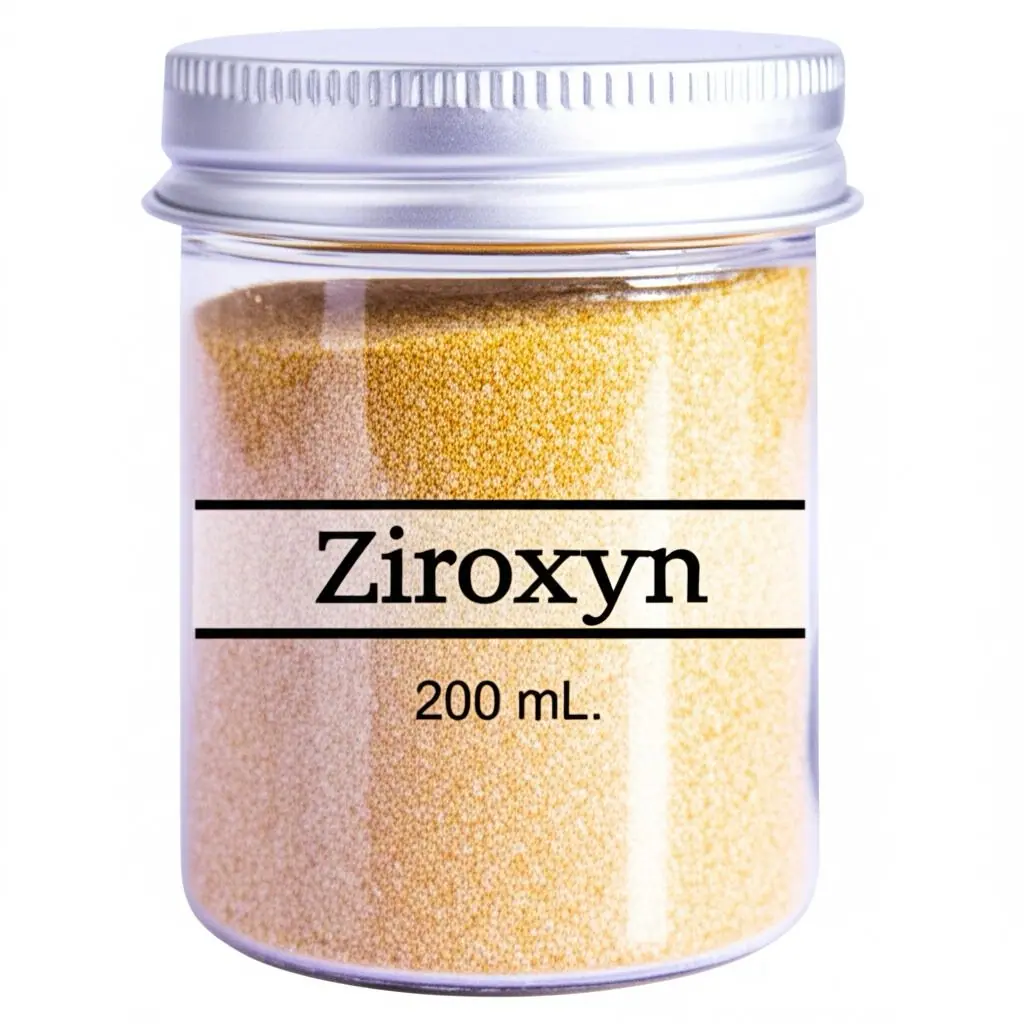
You can use the Ziroxyn product for chamber cleaning
Under or Over Shrinkage
If the zirconia restoration does not fit into place, please first check the milling machine. If you changed the block, the shrinkage rate may be different or the setting may have changed.
Deformation in long or full restorations It may be a CAD error, or it may be related to the placement of your work in the crucible. Place long bridges so that they are equidistant from the heating elements or the crucible in all directions.
Calibration / Offset Under or Over Firing
Over time, the heat / offset setting of furnaces can drift with the use of the heating elements and the thermocouple. Or the shocks your furnace experiences during shipping may affect the thermocouple. In addition, regional differences, and the heat and humidity in your region, can affect calibration.
You can adjust the offset setting of your furnace by entering - (minus) values for under firing and + (plus) values for over firing.
Please read this article for Calibration / Offset temperature adjustment
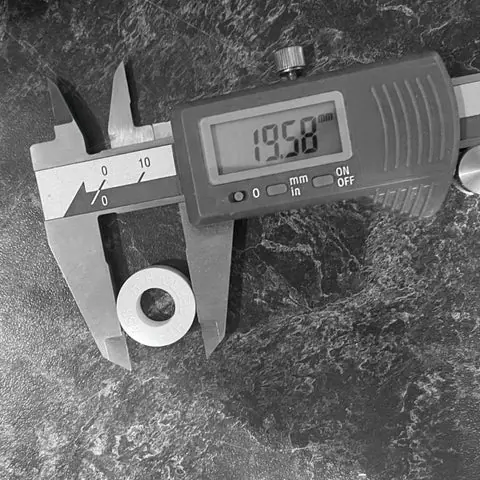
PTCR HTH Calibration Program
| Step | Temperature (°C) | Rate (°C/min) | Hold (min) |
|---|---|---|---|
| 1 | 300 | 10 | 0 |
| 2 | 1500 | 20 | 60 |
| 3 | 0 | 0 | 0 |
| 4 | 800 | 0 | 30 |
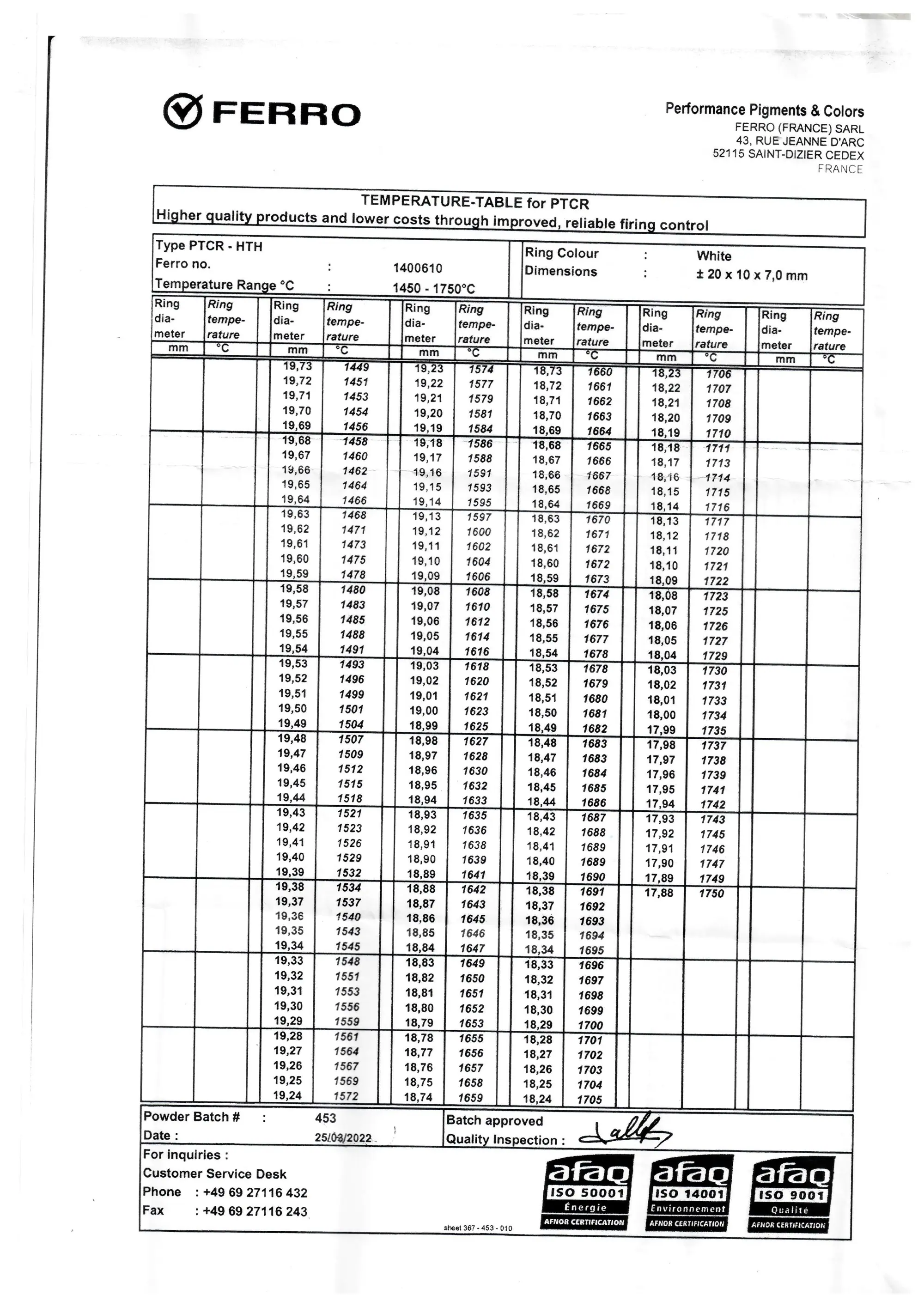
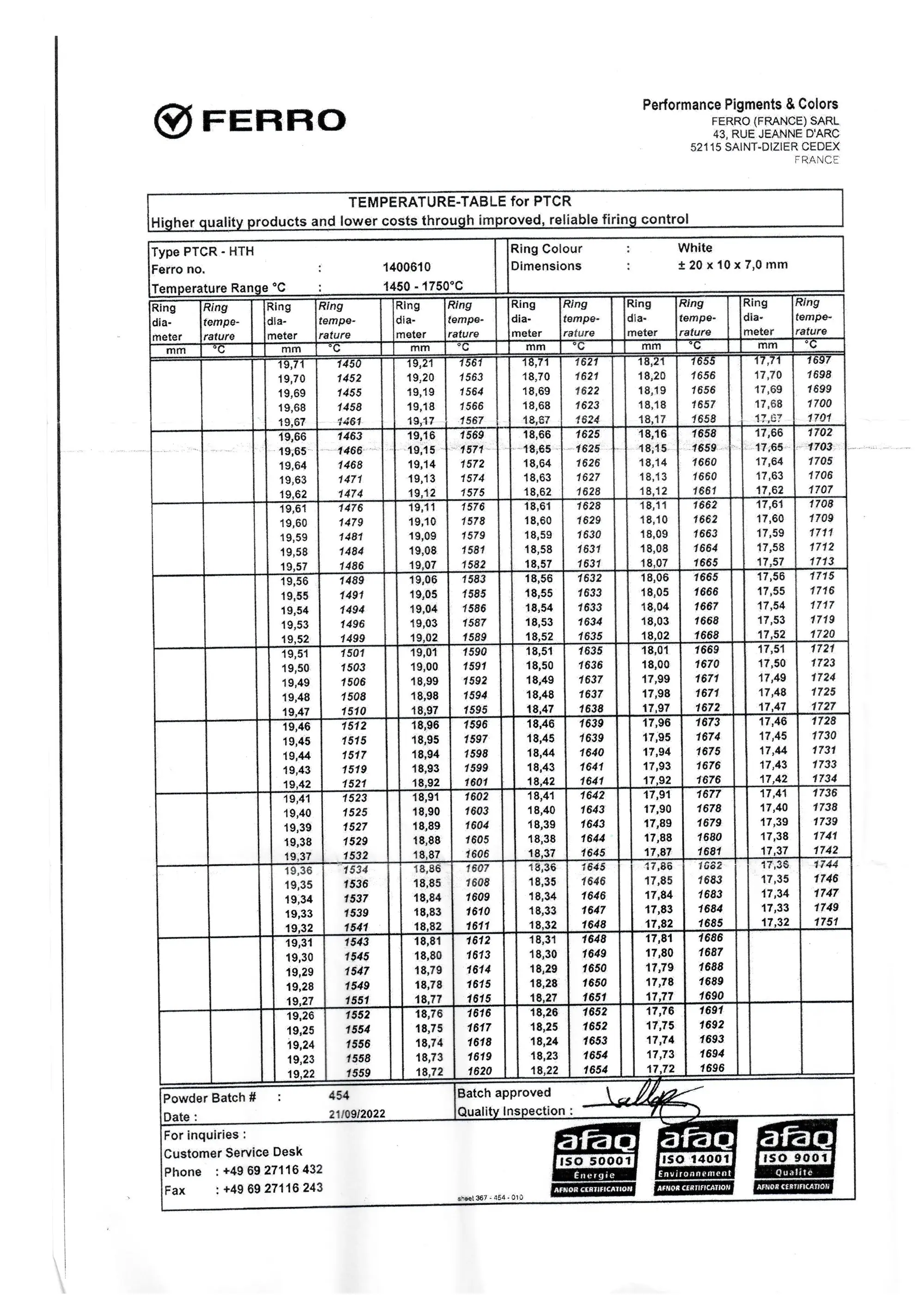
Calibration Ring Lot-Based Measurement Lists: